The first question almost every owner asks me is how much their home could make on Airbnb. It is the right question, and after 13 years of hosting in Vancouver I can tell you the honest answer has become harder to give, because the market has been volatile for the last few years and no two years have looked the same. What I can give you is a realistic range, the factors that move your rate up or down, and what actually stays with you once the costs are paid.
What a night is worth in Vancouver
These are the nightly ranges I see across Vancouver today, in Canadian dollars:
| Home | Typical nightly rate (CAD) |
|---|---|
| One bed condo | $120 to $300 |
| Two bed condo | $150 to $400 |
| Three bed home | $200 to $500 |
| A house rather than a condo | Add about 25 to 35% |
The range is wide on purpose. The same condo can sit at the bottom of it on a quiet Tuesday in February and at the top on a sold out weekend in July, and where your home lands most of the time depends on the factors below.
What moves your nightly rate
- Location. Walkability, views, transit and how close you are to the places guests want to be all show up in the rate.
- When you plan to rent. Peak season in Vancouver runs from April to October, and the months outside it are slower and more price sensitive.
- Events in town. Concerts, conferences, sports and festivals can lift demand across the city for a few days at a time, and the homes priced for it earn the most.
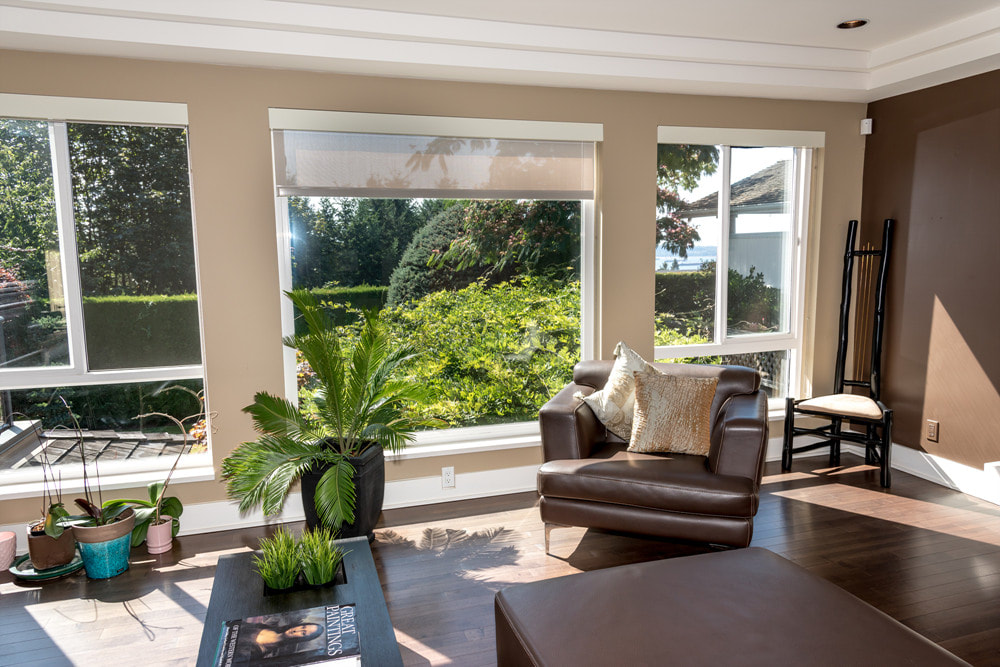
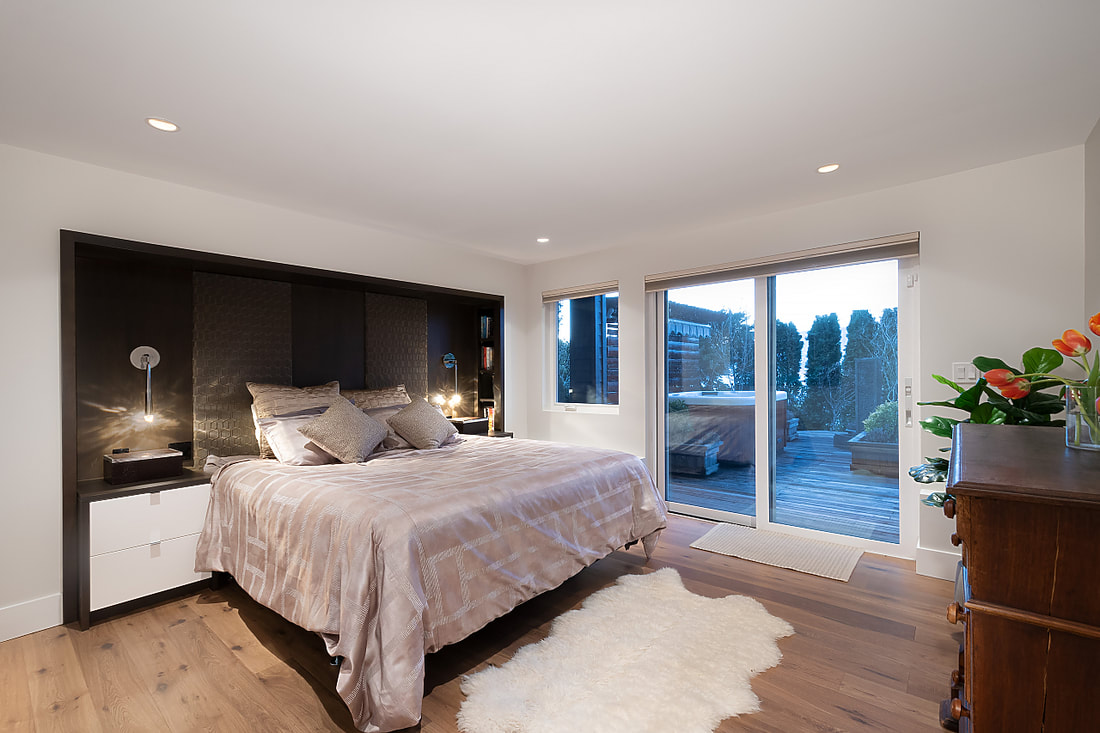
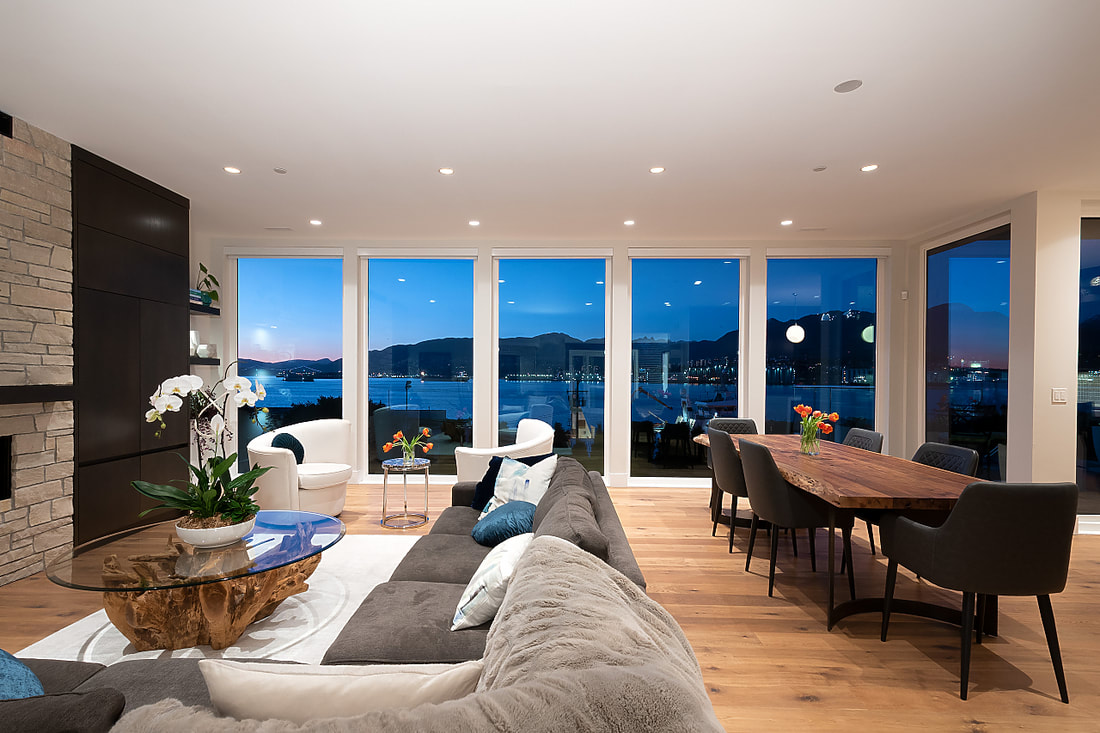
- How the home is decorated and set up. This has become the most important factor of all. A listing that looks and feels like a boutique hotel, with strong photos and thoughtful details, earns more and books faster than a comparable home that simply looks lived in.
Guests now expect hotel standards
Airbnb has changed. In the early years, guests were grateful simply to have a home to stay in. Today they compare every listing to a good hotel, and they are far more demanding. In my experience, these are the things they value most:
- Flexibility, especially early check in and late check out when the calendar allows it.
- A host who is always available and answers quickly, before and during the stay.
- Amenities other listings do not have, the details that make a guest choose your home over the one next door.
Meeting those expectations is what keeps reviews near five stars, and reviews are what keep a listing near the top of search results.
Pricing is not something you set once
Because demand shifts so quickly, a single nightly rate set at the start of the season leaves money on the table. To get the best balance between the number of nights booked and the rate for each night, prices need to change every few days, following demand, events and what comparable homes are doing.
That is a big part of my job: making sure every listing I manage keeps up with demand and with what guests are looking for right now, not what they wanted last year.
The nights you can actually host
In Vancouver, a short term rental has to be in your principal residence, the home you live in for most of the year. If you rent your whole home, you can only host it while you are away, so the calendar you can sell is the time you spend travelling or living elsewhere for short periods. Count those weeks realistically before looking at any rate, and leave time for cleaning, maintenance and your own plans.
From nightly rate to what you keep
Revenue is the nights booked multiplied by your average nightly rate, plus any cleaning fees. What you keep is that revenue minus everything it costs to earn it:
| Cost | What to include |
|---|---|
| Platform fees | Airbnb’s host fee, which depends on how your account is set up, plus payment processing on other platforms |
| Cleaning and laundry | Every turnover, including what the cleaning fee does not cover |
| Supplies | Toiletries, coffee, linens and towels that wear out faster than you expect |
| Utilities and internet | The extra heat, hot water and electricity guests use |
| Licence and registration | The City of Vancouver licence, $1,108 a year in 2026, plus your BC registration (see how renewal works) |
| Insurance | A policy that covers short term rental use, confirmed in writing |
| Wear and repairs | Furniture, appliances and the occasional emergency call |
| Management | A co-host’s fee, or the value of your own time if you host yourself |
| Tax | Income tax on your profit, and GST once rental revenue passes $30,000 a year; check both with your accountant |
Airbnb collects most accommodation taxes from guests in British Columbia, but income tax and GST are yours to manage, which is why I suggest every owner speaks to an accountant before their first year of hosting.
Common questions
How much does an Airbnb earn per night in Vancouver?
As a guide, a one bed condo earns about $120 to $300 a night, a two bed condo $150 to $400 and a three bed home $200 to $500, with houses about 25 to 35% higher. Season, events, location and how the listing is set up decide where your home falls.
When is peak season for Airbnb in Vancouver?
From April to October, with extra demand around major events.
How often should I change my Airbnb price?
Every few days. Demand moves quickly, and a rate that stays the same for weeks either leaves money on the table or leaves nights empty.
What does a co-host charge?
I charge a flat $50 monthly listing fee plus a commission on confirmed bookings starting at 16%, and every detail is discussed before any agreement is signed.
Find out what your home could earn
During a free 30 minute Property Review, I look at your home, your location and the weeks you could host, and give you an honest estimate of what it could earn. I will also show you how to set up your listing to maximize those earnings.
Sources
Checked November 2, 2026:
- Nightly ranges: Eric Bensoussan, The Super Co-Host, based on Vancouver listings managed and observed in 2026
- City of Vancouver, short term rental business licence and fees
- Province of BC, short term rental registration